
Loading map...
Málaga is globally renowned for its ability to blend ancient history with aggressive modernity. The city has established itself as a leading destination for digital nomads, students, and professionals alike, offering a cheerful and vibrant urban experience unlike any other in Spain.It preserves centuries of heritage (from its Roman roots to its long Moorish influence and vibrant Catholic tradition) while fostering a burgeoning identity as a global hub for technology and the arts. Málaga offers a unique combination of 16 sunny beaches, world-class artistic institutions (being the birthplace of Pablo Picasso), and an unbeatable Malagueña social atmosphere.
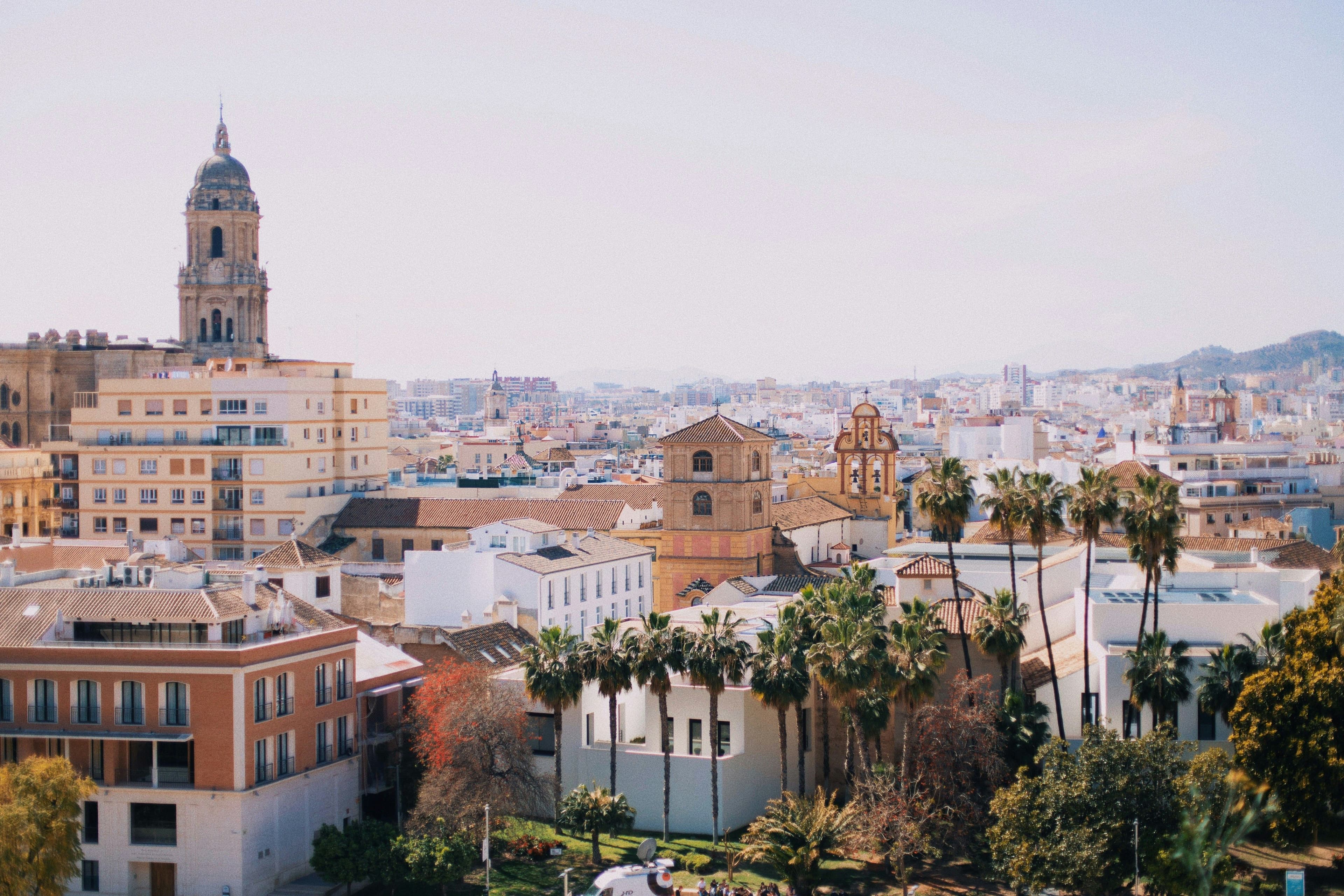
Málaga is globally renowned for its ability to blend ancient history with aggressive modernity. The city has established itself as a leading destination for digital nomads, students, and professionals alike, offering a cheerful and vibrant urban experience unlike any other in Spain.It preserves centuries of heritage (from its Roman roots to its long Moorish influence and vibrant Catholic tradition) while fostering a burgeoning identity as a global hub for technology and the arts. Málaga offers a unique combination of 16 sunny beaches, world-class artistic institutions (being the birthplace of Pablo Picasso), and an unbeatable Malagueña social atmosphere.
Is Málaga expensive to live in?
When evaluating the cost of living, it is essential to place Málaga within the Spanish and European financial landscape. For instance, Madrid, while often seen as costly within Spain, is estimated to be 58.8% cheaper than New York, 42% cheaper than London, and 31% cheaper than Amsterdam. Málaga, which sits below Madrid and Barcelona in the national cost index, confirms that Spain generally provides a far better value proposition for everyday expenses and lifestyle compared to neighboring countries like France or Italy. The primary advantage of choosing the Costa del Sol is the lower daily operational costs. Budgeting for essentials in Málaga is notably manageable.
What is public transport like in Málaga and Torremolinos?
Málaga and the wider Costa del Sol feature an efficient and integrated public transportation system that is vital for residents, particularly students and young professionals based in Torremolinos. The cornerstone of regional mobility is the Renfe Cercanías C1 railway line, which provides reliable, high-frequency service throughout the western Costa del Sol. This line serves as the essential artery, linking Fuengirola, Torremolinos, Málaga Airport (AGP), and the bustling city center terminus at Málaga Centro-Alameda. Trains generally operate every 20 to 30 minutes, ensuring minimal waiting times. The journey from Torremolinos to Málaga Centro-Alameda is rapid, taking approximately 25 minutes. Calle Copacabana benefits from exceptional connectivity. Local and regional bus services converge nearby, with the closest stops, such as Los Álamos and Avda. Riviera 58, located just a 3- to 7-minute walk away. These stops service critical municipal and metropolitan bus lines (M-110, M-123, T-2) that connect Torremolinos to its surrounding areas and the greater metropolitan region. For traveling shorter distances within the town, the C1 train line is equally effective, with rapid two-minute journeys between local stations such as Torremolinos and Montemar Alto. A significant logistical advantage of this location is its immediate proximity to Málaga Airport (AGP). Travel from Torremolinos to the airport via the Cercanías C1 train is approximately 10 minutes by car. Alternative options, such as the Flybus service, also offer rapid access in 15 to 20 minutes.
What are some fun things to do in Málaga and Torremolinos?
Málaga’s lifestyle profile is one of relaxation, art, and immersive experiences, distinguishing it from the traditional cultural experience of other cities in Spain. The region offers a dynamic itinerary that blends high culture in the capital with authentic coastal life in the suburbs. The city center is an essential destination for art and history enthusiasts. Visitors should dedicate time to exploring the legacy of Pablo Picasso, Málaga’s most famous son, by visiting the definitive Picasso Museum and his Casa Natal (birth home). Málaga has invested heavily in culture, inaugurating major institutions like the Pompidou Centre (recognizable by its iconic colored cubes) and the Carmen Thyssen Museum. The city's historical landmarks offer a journey through time. The Roman Theatre stands at the foot of the magnificent Alcazaba, one of the largest Arab fortresses in Andalusia. Scaling the nearby Gibralfaro Castle offers unparalleled panoramic views over the city and the Mediterranean coastline. For those interested in contemporary trends, the Soho district has transformed into a vibrant cultural hub, known for its extensive street art, independent galleries, and alternative establishments. If you to taste some local delicacies, go for the traditional seafood, berenjenas con miel (fried eggplant drizzled with cane honey), salmorejo (a thick, chilled tomato soup), and boquerones al limón (fresh anchovies marinated in lemon)